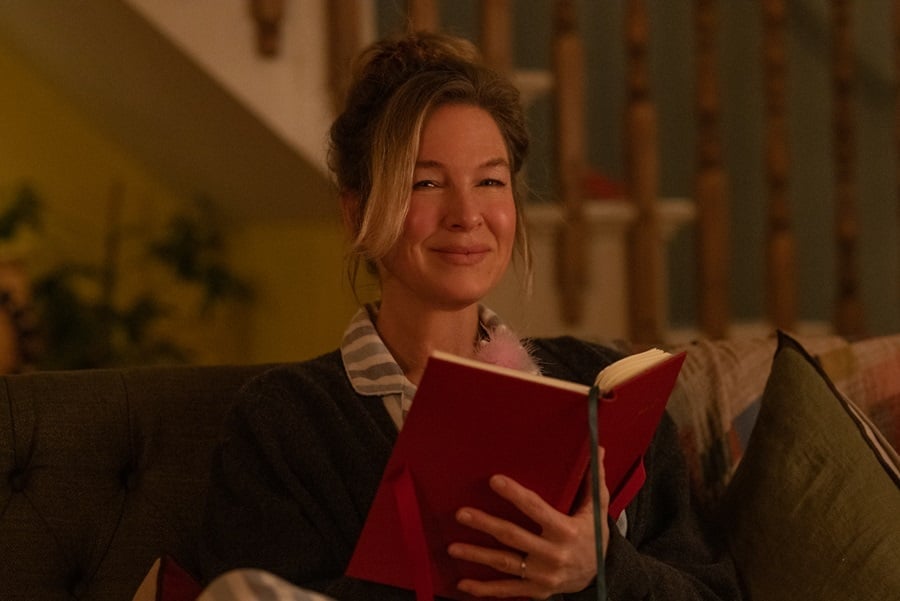
Last weekend, I finally went to the cinema to see Bridget Jones: Mad About the Boy. Like many British women, I relate to the character of Bridget Jones a lot; I am awkward, clumsy, drink alcohol more regularly than I should, and I also keep a diary. When I started watching the films as a teenager in the early 2010s, I found it refreshing to see a female protagonist who didn’t look like a supermodel, and whose silliness and imperfections were celebrated. Recently, the ‘frazzled Englishwoman aesthetic’ has been romanticised by Gen Z, but Renée Zellweger had already charmed audiences across the world two decades ago with her character who was almost the anti-heroine of the romantic-comedy genre of the noughties.
…Mad About the Boy is based on Helen Fielding’s third novel in the series and takes place a decade after the previous film, Bridget Jones’ Baby (which was released in 2016). Bridget is now in her fifties with two children under the age of ten and is navigating widowhood after the tragic death of Mark Darcy. Encouraged by her family and friends to “choose life”, the film follows Bridget’s diary as she creates a new future for her family and herself. Although Colin Firth and Hugh Grant still appear in the film, the story introduces two new romantic interests for Bridget. When I saw Leo Woodhall and Chiwetel Ejiofor in the film posters, I immediately scoffed them as second-rate replacements for Firth and Grant, but to my surprise they both fit in perfectly with the beloved cast from the previous three films.
The theme of grief is prevalent throughout the film, making the tone a lot sadder than the previous three films. Although … Mad About the Boy retains the classic Bridget Jones humour with plenty of laugh out loud moments, the comedic aspects are overshadowed by the very emotional scenes in which Bridget’s children process their lives without their beloved father. I am not somebody who cries at many films, but I did have tears forming in my eyes by the end.
In the twenty-four years since Bridget Jones’ Diary was released, society has changed a lot, and some aspects of the original film now appear dated to a modern audience. The creepy ways in which Bridget is sexualised in her workplace by male bosses would never be the punchline of a comedy film after the #MeToo movement, and rightfully so. In a media landscape where a wider range of body shapes are represented, it is more difficult to convince anyone (except perhaps the vicious trolls on the Daily Mail website comments) that the 9.5 stone heroine could be ever described as fat. It is therefore fantastic to see that in 2025, the producers have evolved with these changes, and we now get to see a middle-aged Bridget looking fantastic and enjoying good sex in her fifties. If this is the last time that we get see Renée Zellweger in her iconic role, Bridget Jones: Mad About the Boy is a beautiful ending to a beloved series that celebrates the joy of life and getting older.
(Image source: Everymancinema.com, 2025)
 Simone Reddington
Leave a comment