(Image source: BBC iPlayer)
This Autumn, while scrolling on BBC iPlayer for something to watch, I came across the Gossip Girl reboot, which aired between 2021 to 2023, and binge-watched both seasons. Like many women of my generation, I adored the original show, which was first broadcast in 2007, and propelled the careers of its stars, including Blake Lively and Ed Westwick, to Hollywood A-List status. The plot centred around a clique of extremely wealthy New York teenagers at an exclusive private school, whose notorious scandals and love lives are exposed online by an anonymous blogger, known as ‘Gossip Girl’. The identity of ‘Gossip Girl’ is not revealed until the final episode and the blogger gains influence over the social scene over the entirety of the five seasons, receiving her information by tip-offs from the characters and their peers. I first watched it when I was in my first year of university, and I was completely obsessed. It was cinematic, camp and gloriously unrealistic. The high-fashion costumes were gorgeous, and the picturesque Manhattan setting made every scene visually stunning. The chemistry between Blair Waldorf and Chuck Bass (played by Leighton Meester and Westwick) was red-hot, so viewers were genuinely invested in their tempestuous relationship. Blair’s relationship with her best friend, Serena van der Woodsen (played by Lively) was also complicated. and stemmed in deep-rooted jealousy; making it more relatable to teenage girls who often fall out and make up with their besties when navigating the turbulence of adolescence. The original show attracted a cult following and concluded just around the right time. When the final season ended in 2012, the characters were in their early twenties (which is far too old to be bitching about your friends online) and social media had become prominent in the real world, therefore diminishing the power that one individual blogger would realistically wield.
I was therefore dubious on how the concept of Gossip Girl would translate in the post-pandemic cultural landscape when it was announced that HBO Max was to produce a reboot. Many elements of the show reflected the culture of the late noughties and did not age well. Back in 2007, teenagers did not have the same technology or instant access to information that teenagers have today, and we were therefore a lot less informed about important social issues than adolescents are today. For example, after the #MeToo movement, it would be impossible for the producers to create a convincing redemption arc for Chuck Bass who sexually assaulted two female characters in the first episode, before the character was developed to portray the central romantic lead in the later seasons. In the wake of the 2011-2018 Varsity Blue scandal, where it was revealed that several wealthy parents had paid bribes to get their children into some of the top American universities at the cost of students from less affluent backgrounds, seeing Blair sail through the admission process at Columbia University when she didn’t even know that her boyfriend has applied for her, seems very suspicious. Would watching a light-hearted television programme about the uber rich still be as fun to watch when we are no longer oblivious to the inequalities between us and the ruling elite?
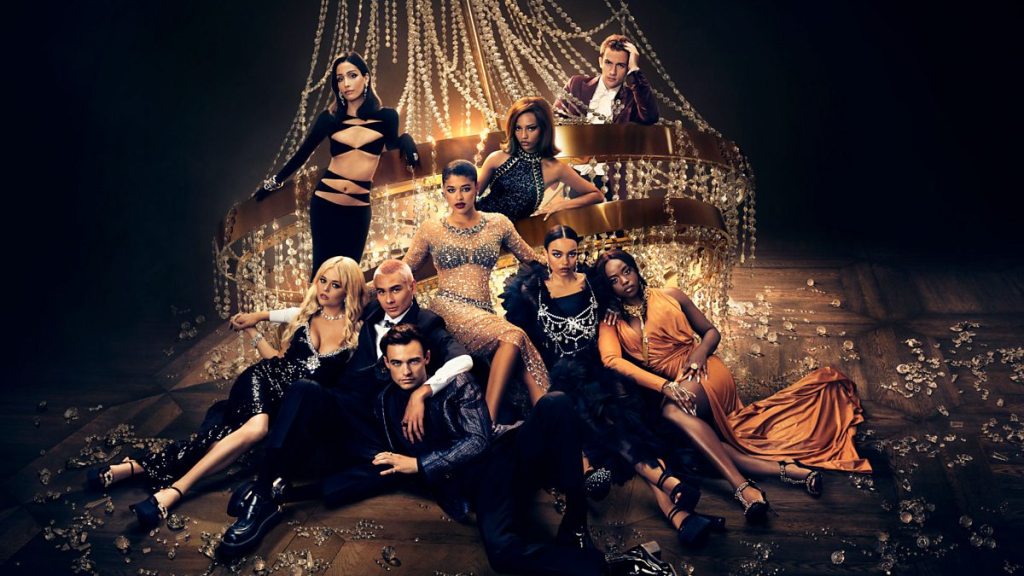
The 2021 Gossip Girl is a sequel, set nine years after the original show ended, which follows a new group of over-privileged teenagers at the same New York private school. There are some references to the original and although none of the central characters return, there are some guest appearances by supporting characters. It is impossible to not compare the new generation to Blair and Serena et al (whom they speak about in a hallowed manner), but, in fairness, the producers did make the effort to make some changes. The central cast includes a range of POC and queer characters, which reflects New York City’s multicultural society much more accurately than the show did in 2007. The writers also appeal to the socially conscious Gen Z by showing the characters to be somewhat politically engaged, as they occasionally comment on social issues and acknowledge the impact that their billionaire parents’ obscene hoarding of wealth has had on upon the rest of the world. The role of Gossip Girl herself is also changed in the reboot, as it is revealed in the first episode that it is the underpaid teachers at the teenagers’ school who are exposing their secrets via an Instagram account. I thought this was actually a good idea, as it allowed the working-class teachers to be pitted against the elites, as well as creating various secondary storylines.
However, the main difference in the new Gossip Girl was that the characters were inherently dull and forgettable. The new teenage it-girls, Julien Calloway and Audrey Hope (played by Jordan Alexander and Emily Alyn Hind respectively), may have been presented to be more woke than Blair and Serena, but their characters weren’t as well developed or as likeable. To update the show with modern contemporary culture, Julien is portrayed as a social media influencer, whose career relies on her being as inoffensive as possible to avoid being ‘cancelled’. She is therefore too preoccupied with worrying about how she is perceived by her schoolmates than to ruthlessly climb to the top of the social ladder. As the audience, we want to see deliciously evil characters cause absolute mayhem, but this was not delivered in the 2021 Gossip Girl. Even the psychopathic teachers behind the infamous Instagram accounts were really a group of pathetic cowards who were too afraid of their identities being revealed to create any real damage. The only decent villain of the reboot was the legendary Georgina Sparks from the original series (sadly this was Michelle Trachtenberg’s last ever acting role before her untimely death this year), who briefly appeared for one episode in the second season.
Considering how the show has the word ‘gossip’ in its title, the plot of the 2021 reboot didn’t contain many scandals at all. In the original series, nearly all the central characters had slept with each other at some point, and it would regularly be revealed that their parents were hiding life-shattering family secrets in the most spectacular scenes (the episode with the iconic Thanksgiving dinner in season 3 instantly springs to my mind). This rarely happened in the Gen Z version, as the characters were too afraid of being cancelled themselves to bring anyone else’s reputation down, so the episodes would normally culminate in a reconciliation rather than a showdown. An example of this was in the first season, when the writers teased us with the suggestion of a love triangle between Julien and her boyfriend Obie (played by Eli Brown), who briefly pursues a romantic relationship with her estranged sister Zoya (Whitney Peak’s character) , but this was swept under the table before the audience had the chance to grow any interest in it. The writer’s inability to execute storylines is consistent throughout both seasons. I really liked their decision to introduce a three-way romantic relationship, which I have not previously seen depicted in TV or film, when Audrey and her bisexual boyfriend Oki (portrayed by Evan Mock) both discover they are attracted to their friend Max (Thomas Doherty). Again, this ultimately fizzles out when Max, who is by far the most interesting character of the entire show, dumps them both.
While the 2021 Gossip Girl was enjoyable and stylish to watch, the poor writing made the entire plot completely forgettable. This is such a shame, as the show had a talented cast and a budget that could afford an excellent costume department. However, when the best parts of a reboot are its references to the original, it is a clear sign that some things are best left in the past.



 Simone Reddington
Leave a comment