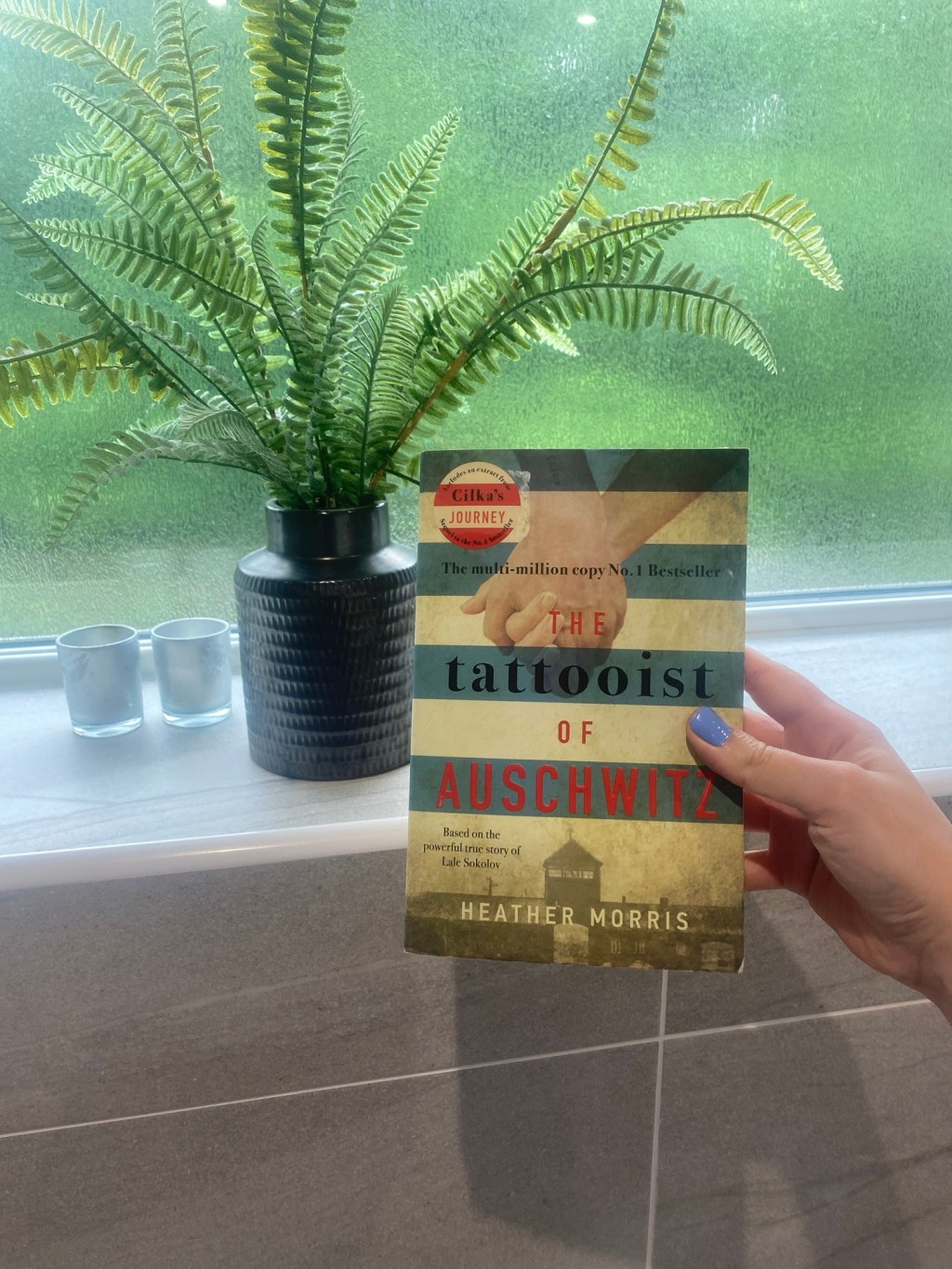
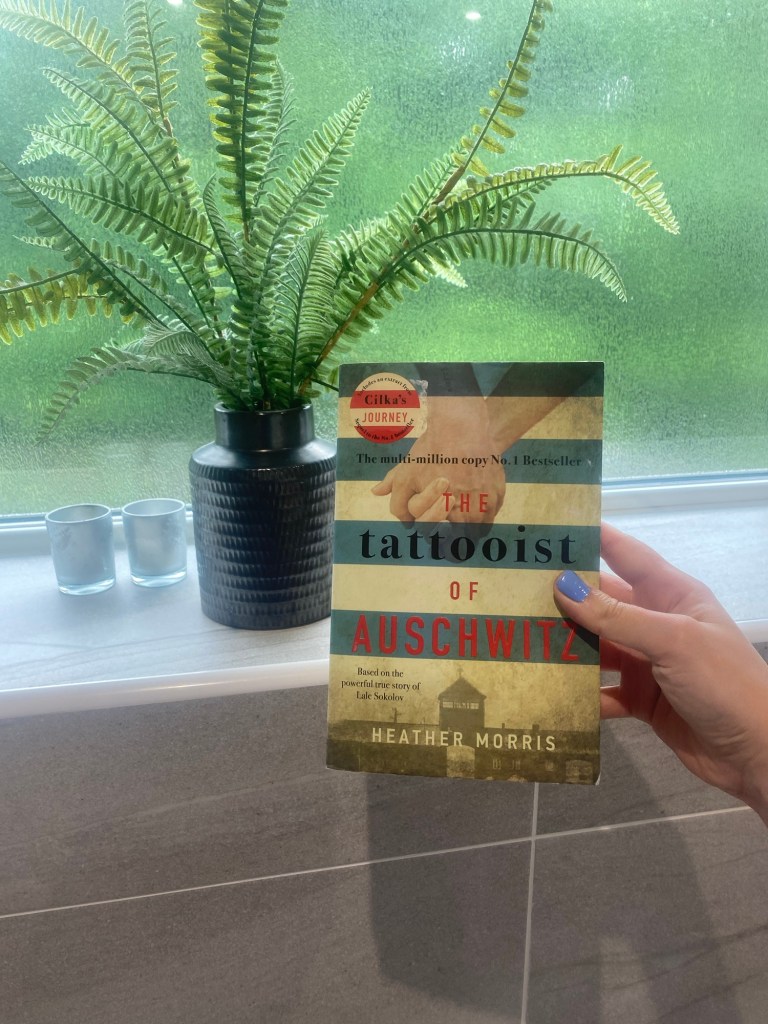
Heather Morris’ 2018 best-selling novel, The Tattooist of Auschwitz, tells the real-life story of Lale Sokolov. Lale was a Slovakian Jew who survived three years of imprisonment at Auschwitz concentration camp, where he met and fell in love with his future wife, Gita.Morris, who befriended and interviewed Lale multiple times in his later life after he and Gita emigrated to Australia, captures the horrors that millions of Jewish, Romani Gypsy, disabled and homosexual people from across Europe were forced to endure.
The novel’s third-person narrative is based upon transcripts of conversations between Lale and the author and it reads like a novel rather than a historical piece of non-fiction. It can only be described as a miracle to survive the extreme torture and abuse that took place within concentration camps, let alone for two people to fall in love there like Lale and Gita did. It is a testament to Lale’s character that he sustained his determination to survive, which he did so by using his wits and finding work in the camp as the “tätowierer” who would mark the new arrivals with their numbers. One of the main questions that TTOA asks the reader is whether Lale was complicit in the torture of his fellow inmates by working with the SS in his role, as his fear of being perceived this way was what put him off telling his story for many years. Indeed, many other Jewish prisoners who worked with the Nazis to survive were punished by the Russians when they liberated the camps at the end of the war. However, Lale’s bravery, upbeat nature and resolution to help the other prisoners around him in any way that he only made him a hero in my eyes.
It is imperative that we never forgot what happened during the Holocaust, an example of the evil that humanity is capable of committing, and books such as TTOA (as well as other titles written by Morris) help us to remember. Unfortunately, there has been several other genocides since the fall of the Nazi Germany regime in 1945, such as those in Bosnia, Rwanda and the ongoing persecution of people in Palestine. However, the Holocaust remains one of the most extensively documented case of hatred and dehumanization in human history which changed world politics forever. We owe it to the 11 million people who were murdered in the Holocaust to continue to tell and listen to their stories.


 Simone Reddington
Leave a comment